

Poisonous to Dogs - Toxic Plants and Flowers
Pet owners need to be aware that some common garden plants and flowers could be toxic to their pets, causing sickness and diarrhoea with severe cases of poisoning leading to coma and death. You may also be interested in Foods to Avoid Feeding to Your Dog.
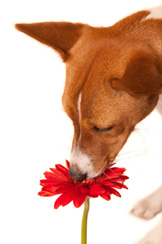
Pets can be poisoned by plants if they eat or even just chew part of the plant, the flower, the bulb or the plant leaves. Flowers heavy in pollen can also drop pollen onto the pet’s coat, which could then be licked off and ingested by your pet.
If you are unsure about the toxicity of plants and flowers in your garden, talk to your garden centre and consult relevant specialist publications and web pages. See the ‘Comprehensive Lists of Plants Toxic to Dogs’ section below to look up plants that are poisonous to pets.
As a quick guide, we have listed below some of the more common plants and flowers that can be toxic to dogs.
The PDSA produced the following list
Daffodil (especially the bulbs)
Castor oil bush (dogs love the seeds)
Cherry laurel (common hedging plant)
Laburnum (and related species)
Lilies / Lily of the Valley (especially toxic to cats)
Philodendron (popular ornamental house plant)
Other common plants and flowers worth mentioning
Azalea
Foxgloves
Ivy (some species)
Rhubarb
Yew
Comprehensive lists of plants toxic to dogs
1) Cornell University Poisonous Plants Informational Database
Created by professors, staff, graduate and undergraduate students at Cornell University. You can search their pages by the plants' common name or scientific name, or even by plant category.
2) Animal Poison Control Center (ASPCA) has a very informative list of toxic plants. Click on a plant name for more information, likely effects and even a helpful picture of the plant.
3) Dogs Trust List of Poisonous Plants, Garden And Household Substances (pdf)
General symptoms of poisoning
Oral or skin irritation
Upset stomach / Vomiting / Diarrhoea
Weakness
Rapid breathing
Fever
Drooling
Coma
Heart failure
Depression
Excitability or lethargy
Tremors / Seizures / Fitting
Increased Thirst
Dilated Pupils
Dizziness / Loss of Balance
Disorientation
Contact your vet immediately if you think your pet has eaten any toxic plants, flowers, or in fact any toxic items or substances.
Cocoa mulch, pesticides and pellets
Please also note that using cocoa mulch on your flower beds is not advised as it is potentially lethal to dogs. There may or may not be a warning on the products packaging, so beware. Pet owners also need to take care when using pellets, pesticides and other garden chemicals. Before purchasing any chemicals for your garden and plants, read the labels carefully to make sure they are safe for pets. Better still, why not research more organic, friendly methods of pest control.
See our Dog Tips - Summer article for more information on garden and summer hazards.
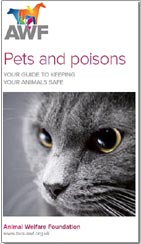
Pets and Poisons Leaflet
The AWF (Animal Welfare Foundation) have published an updated version of their 'Pets and poisons: keeping your animals safe' leaflet. Produced in conjunction with the Veterinary Poisons Information Service (VPIS), the leaflet provides a valuable and easy reference guide for the general public on the dangers to their animals from harmful substances that can be found in and around the home.
To download your copy of this free leaflet, visit Pets and poisons - keeping your animals safe (pdf)
Disclaimer: D for Dog assumes no liability for the content of this article or the given lists. The lists may not represent all flowers and plants poisonous to dogs. Please also note that your dog may have a sensitivity or allergy to a plant or flower that is not mentioned on the lists.
By Jenny Prevel
© D for Dog www.dfordog.co.uk
This article belongs strictly to D for Dog and we do not authorise the copying of all or any part of it.
thanks for that, useful information.
My dog has the orange dust from lilies on his fur can this affect him
I wouldn't take any chances and would give his coat a thorough wash and move the lilies.
my collie has just tried to eat a dropped pink lily petal is this dangerous got almost all of it away from her
My puppy seems have pollen dust round her muzzle area. What do I give her if she starts with diorhhea
My dog just ate some blossom is this dangerous
Dog ate stem of a garden lilly plant
My dog chews the honey suckle stalks, she has idiopathic epilepsy do you think this could be her trigger for a fitting?